What to Notice on a Half-Day Visit to a Historic Garden or Pavilion
A historic garden is easy to rush through because its main features seem obvious: a pavilion, a pond, a bridge, a viewpoint. The more interesting experience often comes from the connections between them. With half a day, you have enough time to notice how the place guides your movement without turning the visit into a checklist.
Begin with the route, not the landmark
Before heading directly to the best-known structure, look at the entrance path. Is the main view hidden and revealed gradually? Does the path curve around trees, walls, or water? Gardens often use these transitions to create a sequence of small discoveries.
Walk one section slowly enough to notice where the path narrows, opens, rises, or changes material. Those shifts are part of the design.
Pay attention to framed views
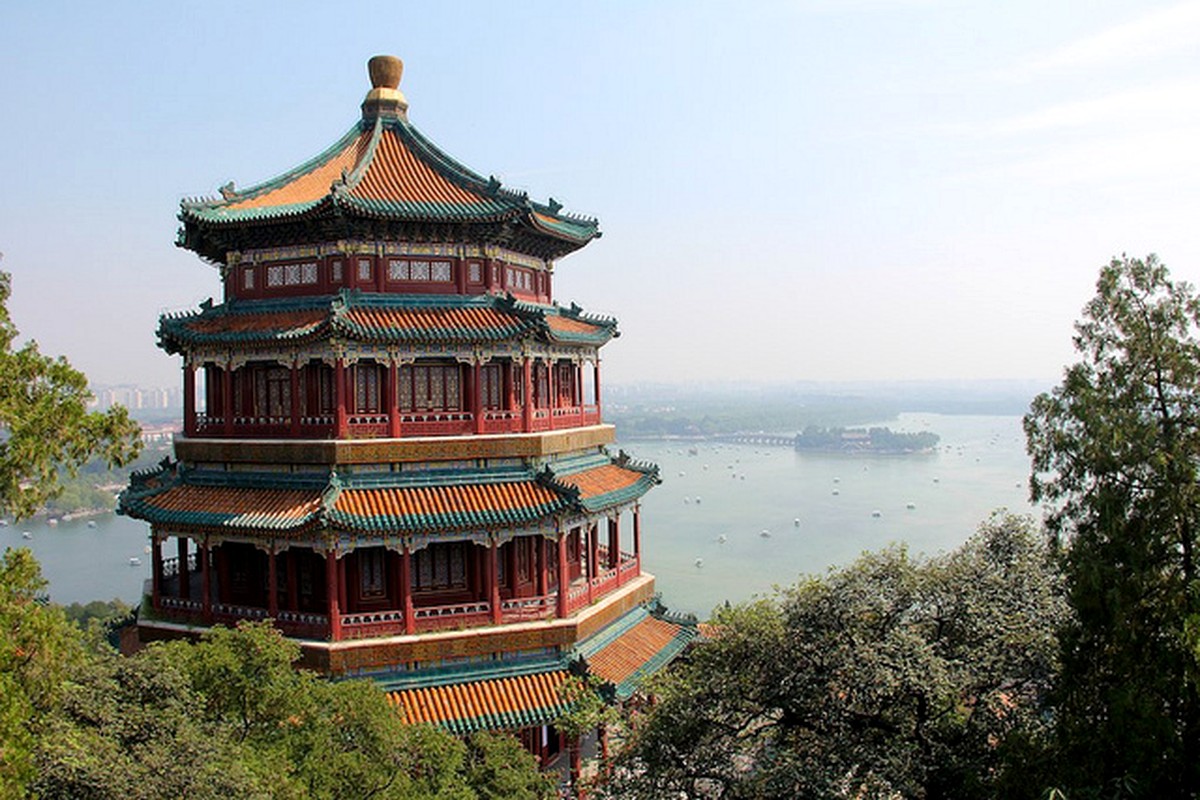
Windows, gates, doorways, branches, and railings can act like picture frames. Stand in a pavilion and look outward before studying the building itself. A view across water or toward a distant roof may explain why the structure was placed there.
Move a few steps to either side and see how the composition changes. Historic landscapes often reward tiny changes in position.
Read the materials at close range
Stone steps become smoother where generations of visitors have walked. Timber changes color near exposed edges. Painted surfaces fade unevenly. Roof tiles, carved details, paving, and metalwork reveal how the site has been used and maintained.
You do not need to know the technical names. Compare rough and polished surfaces, old and repaired sections, shaded and sunlit materials. These contrasts make the place feel tangible rather than purely picturesque.
Let water and plants set the pace
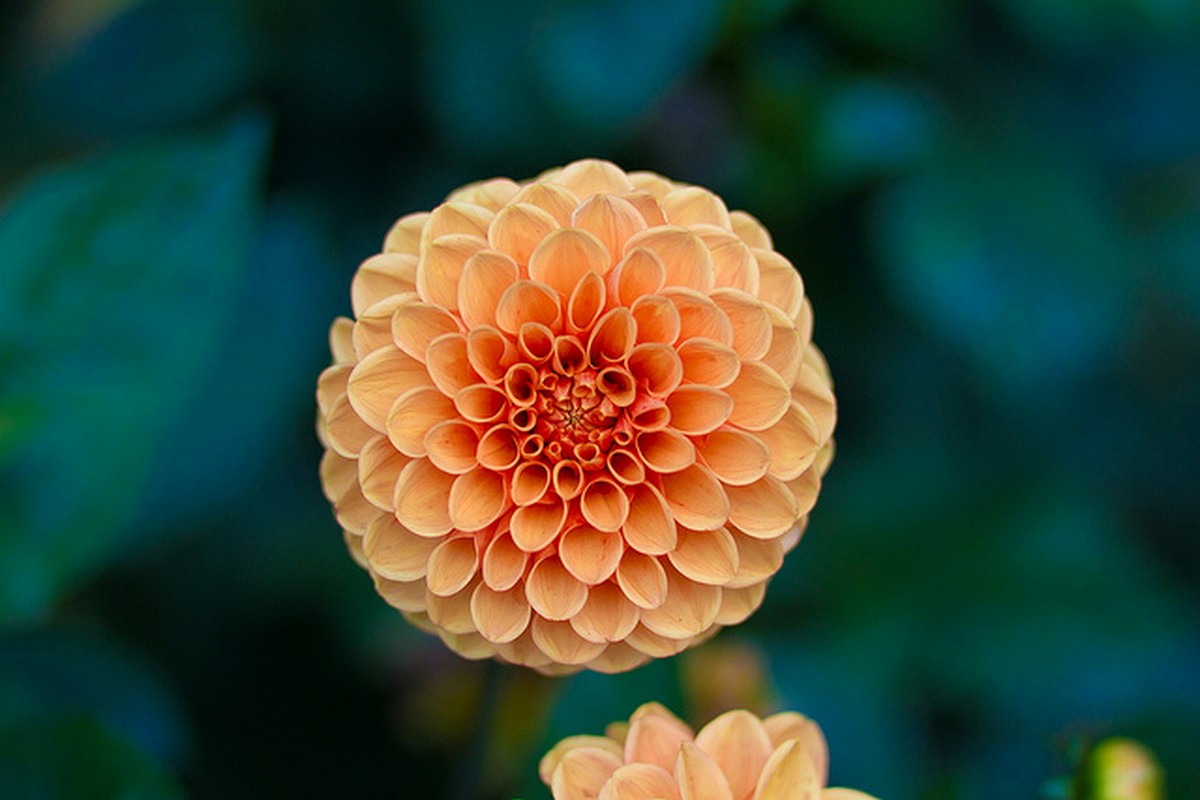
If the garden includes water, spend a few minutes watching reflections and movement. Wind, passing clouds, and ripples constantly rebuild the scene. Plants do the same thing: flowers may draw attention at one season, while bark, seed heads, or leaf color matter more at another.
A garden is never a fixed composition. Returning at a different hour or season can make it feel like a different place.
Finish by retracing one short section
Before leaving, walk back through one part of the route in the opposite direction. You will often see overlooked views because the sequence is reversed. A doorway becomes a frame, a tree that seemed like background becomes a focal point, and a small slope becomes more obvious.
A half-day visit does not need to cover every corner. If you leave with a clear memory of a few transitions, textures, and views, you have probably seen the place more closely than a much faster complete circuit would allow.