A Weekend Flower Study Using Color, Shape, and Close Observation
You do not need a large garden or a rare plant to make a satisfying nature study. One flower from a balcony pot, market bunch, neighborhood verge, or garden bed can provide enough detail for an hour of close looking.
The point is not to identify every botanical feature. It is to practice attention and create a small record of something that changes quickly.
Choose one specimen with visible detail
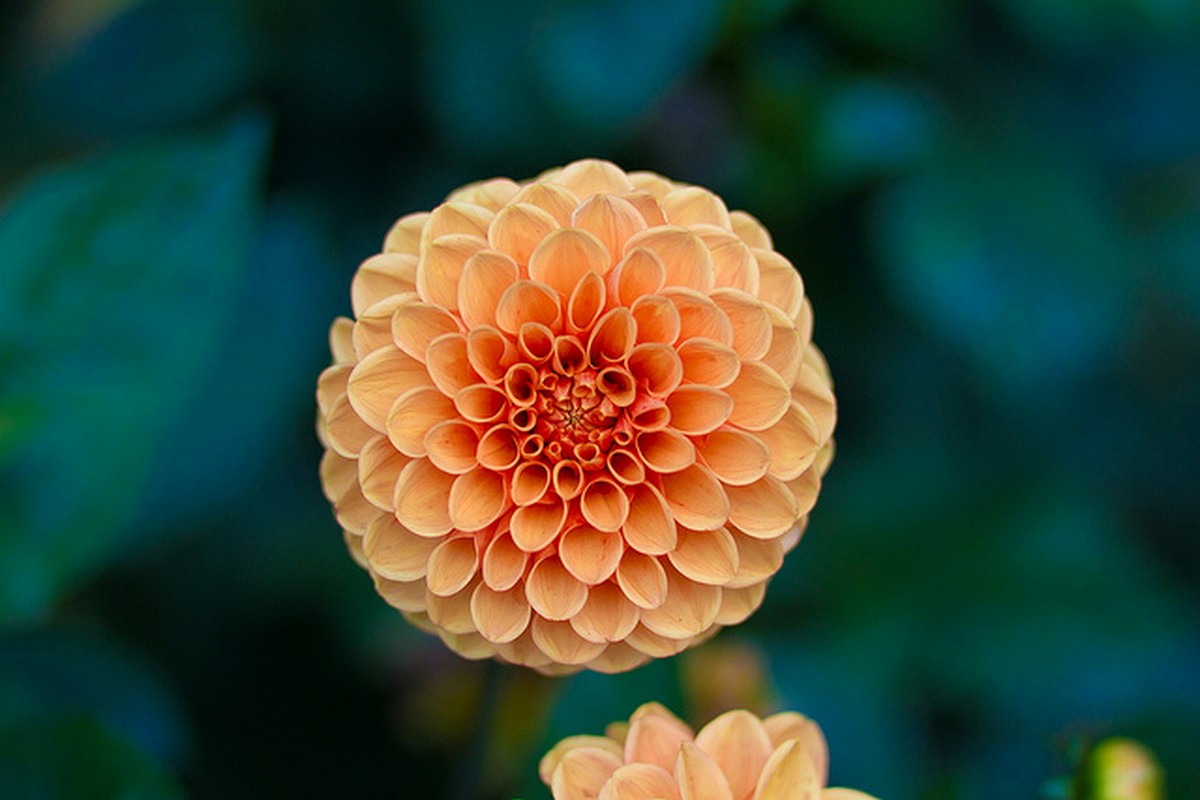
Look for a flower with a clear center, layered petals, interesting edges, or several stages of opening. If you are outside, observe it where it grows rather than picking it. At home, place a cut flower near indirect window light so color and texture remain easy to see.
Start with the overall shape
Before moving close, describe the flower in simple geometric terms. Is it circular, star-like, cupped, flat, conical, or irregular? Are the petals arranged evenly or do they overlap in a spiral? A rough sketch is often enough to reveal structure that a quick glance misses.
Look for color transitions
Many flowers are not one color. A petal may be pale at the edge and saturated near the center. The reverse side may be cooler or warmer. Shadows can introduce violet, blue, or brown tones that disappear in direct sun.
If you are photographing, make one wider image and then a few close views of these transitions. Avoid changing the color aggressively afterward; the useful part of the exercise is noticing what was actually there.
Notice texture and repetition
Compare the soft surface of a petal with the more rigid center, stem, or leaf. Look for repeated points, veins, folds, and tiny hairs. Repetition gives many flowers their visual rhythm, while small imperfections keep them from feeling mechanical.
Return later in the day
If possible, look again after several hours. Light may have shifted, petals may have opened further, or the flower may have turned slightly. A second observation gives the study a sense of time.
Finish with three short notes: what surprised you, what detail was hardest to see, and what you would look for next time. The result can be a page of sketches, a handful of photographs, or just a few sentences. What matters is that an ordinary flower becomes more specific in your memory.